Man still alive six months after pig kidney transplant
A US man remains alive six months after receiving a genetically modified pig kidney, setting a new record for xenotransplantation survival.

Insights from People’s discussions:
The Hacker News comments discuss recent xenotransplantation breakthroughs, particularly pig kidneys, as significant medical advancements potentially rivaling science fiction. Viewers express curiosity and marvel at the technical details. However, the discussion also highlights ongoing challenges in healthcare access, the difficulty of scaling these innovations, and the need for societal adaptation to rapid technological progress. Concerns include the risks and hurdles of xenotransplantation, ethical implications, animal welfare, and the potential necessity of organ farming. While there is excitement about the potential benefits and progress, a significant portion of the comments also expresses skepticism, caution, and ethical concern regarding the approach and its broader implications.
- Excitement for Medical Breakthroughs: Viewpoint centered on the amazement and potential positive impact of xenotransplantation advancements, viewing them as significant scientific achievements. (Sentiment: Positive)
- Concerns Regarding Risks, Ethics, and Scalability: Viewpoint highlighting the significant challenges, potential dangers, ethical dilemmas (animal welfare, organ farming), and the difficulty of making these breakthroughs widely accessible and scalable. (Sentiment: Negative/Mixed)
- Hope for Future Accessibility and Advancements: Viewpoint expressing optimism that these technologies will overcome hurdles and become more replicable and widely applicable, improving healthcare outcomes. (Sentiment: Positive/Mixed)
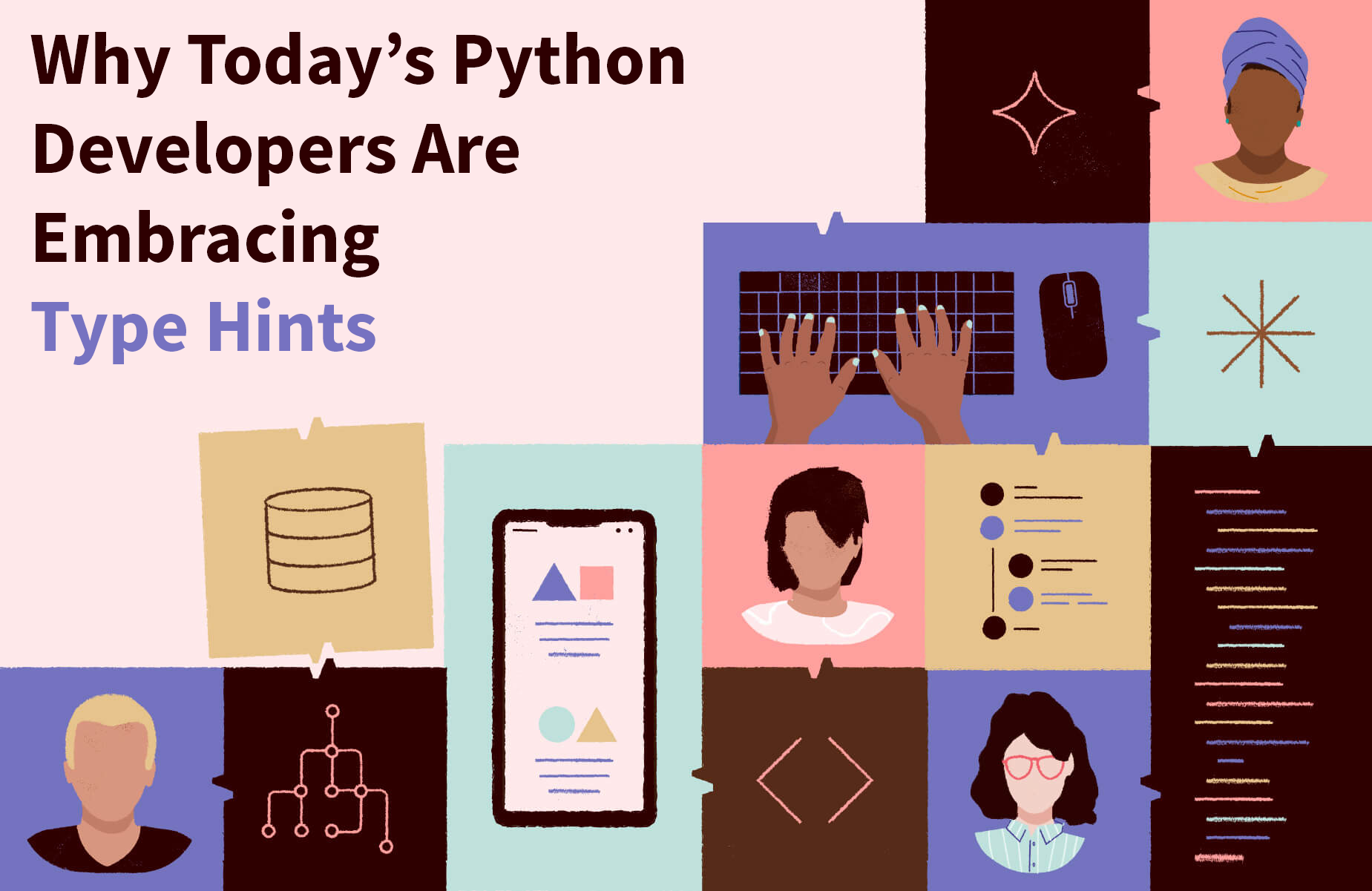
Python developers are embracing type hints
An article explaining why Python developers are adopting type hints, covering dynamic vs static typing, PEP 484, and the benefits for code quality and scalability.
Insights from People’s discussions:
The Hacker News comments present a divided view on Python type hints. Proponents highlight benefits like error catching, improved documentation, and better IDE support, while opponents find them verbose, cumbersome, and detrimental to Python’s dynamic nature and rapid development. The discussion touches upon the practical benefits, implementation hurdles, and the ongoing debate about Python’s future with typing.
- Enhanced Development Experience: Advocates for type hints, valuing them for catching errors early, improving code reliability, aiding maintainability (especially in large systems), and providing better IDE support and refactoring ease. (Sentiment: Positive)
- Dynamic Python Preservation: Skeptics or opponents view type hints negatively, finding them verbose, cumbersome, and hindering Python’s dynamic flexibility and rapid development style. They often prefer static typing in other languages or dynamic coding without annotations. (Sentiment: Negative)
- Pragmatic Implementation & Challenges: Some comments acknowledge the benefits but also discuss the real-world difficulties and implementation hurdles associated with type hints, such as handling cyclic imports and the effort required for adoption. (Sentiment: Neutral)
Testing the Raspberry Pi 500+'s new mechanical keyboard
A review of the Raspberry Pi 500+’s new mechanical keyboard, focusing on its features, construction, and compatibility.

Insights from People’s discussions:
The discussion on Hacker News covers two main topics: innovative keyboard designs and the Raspberry Pi 500. Regarding keyboards, users discuss desired features like battery life, compactness, connectivity, and essential elements, comparing experiences with mechanical keyboards. Concerning the Raspberry Pi 500, users debate its market positioning, educational focus, competition from Radxa clones and cheaper alternatives, and question the foundation’s strategy. Positive aspects mentioned include privacy, ease of use, affordability, and educational potential compared to Chromebooks. Nostalgia for classic 8-bit computers is also expressed, along with a wish for matching displays and suggestions for a retro name. A separate comment appreciates a store’s charm and notes a title discrepancy regarding the Pi 500’s price. The overall sentiment is generally positive towards the Pi 500 and its features, mixed regarding its market strategy and competition, nostalgic about older computers, and neutral regarding the store comment.
- Innovative Keyboard Designs: Users express interest in specific features (battery, compactness, connectivity, numpads) and compare experiences with mechanical keyboards. (Sentiment: Positive)
- Raspberry Pi 500 Market Positioning & Strategy: Users question the competition, pricing, and foundation’s decision to focus on an educational device rather than a full computer. (Sentiment: Mixed)
- Raspberry Pi 500 Features & Value: Users praise its privacy features, ease of use, affordability, and potential as an educational alternative to Chromebooks. (Sentiment: Positive)
- Nostalgia & Retro Appeal: Users express fond memories of classic 8-bit computers and wish for the Pi 500 to have a more retro feel or matching display. (Sentiment: Positive/Nostalgic)
- Store Observation (Raspberry Pi Store): A comment appreciates the store’s atmosphere and staff but notes a potential title discrepancy and observes the surrounding waste. (Sentiment: Neutral)
Windows ML is generally available
Microsoft announces the general availability of Windows ML, a runtime for on-device AI model inference and dependency management, enabling developers to deploy local AI experiences across Windows devices.
Insights from People’s discussions:
A discussion on the trade-offs between open-source ML runtimes (like Ollama) and new proprietary ML runtimes (like the Windows ML runtime) on platforms like Windows. The main points revolve around comparing
Thoughts on Mechanical Keyboards and the ZSA Moonlander
Review of a mechanical keyboard with focus on ergonomics, programmable firmware, and build quality.
Insights from People’s discussions:
The comments discuss effective RSI management as a multi-faceted approach. Key elements include using ergonomic keyboards (like Kinesis Advantage or Glove80) to reduce awkward movements, addressing muscle weaknesses and posture through exercise and physical therapy, and using software to enforce breaks. While ergonomic keyboards are praised for reducing hand stretching, users also warn of potential thumb discomfort and injury from overuse, suggesting caution and the need to limit frequent key usage even with these keyboards. The general sentiment is mixed, acknowledging benefits but also highlighting potential risks and the necessity of a holistic strategy.
- Combined Approach (Keyboard + Exercise + Breaks): The most effective RSI management involves a combination of ergonomic keyboards, physical therapy/exercise, and break-enforcing software. (Sentiment: Positive)
- Ergonomic Keyboard Benefits: Using ergonomic keyboards (specifically those with thumb clusters) significantly reduces hand stretching and discomfort. (Sentiment: Positive)
- Ergonomic Keyboard Risks: Even with ergonomic keyboards, overuse can lead to thumb discomfort or injury (RSI, tendonitis), necessitating mindful usage limits. (Sentiment: Negative)
Hacker-News-daily-2025-09-26

ChatControl: EU wants to scan all private messages, even in encrypted apps
An analysis of the EU’s proposed ChatControl regulation that mandates tech companies to scan private messages for child abuse material, raising concerns about privacy, encryption, and civil liberties.
Insights from People’s discussions:
- Opposition to Surveillance Legislation: Strong criticism of proposed laws enabling government access to encrypted communications, citing privacy violations, potential for mass surveillance, enabling monitoring of lawful activities, lack of transparency, reliance on unauditable systems, and a slippery slope towards thought crime. (Sentiment: Negative)
- Critique of CSAM Detection Measures: Concerns that proposed detection systems (like ChatControl) are ineffective, easily circumvented, overly broad, potentially enable mass surveillance, lack transparency, and may be influenced by corporate interests. There is also skepticism about their effectiveness and the politicians’ understanding of encryption. (Sentiment: Negative)
- Debate on EU Democracy and Sovereignty: A divided view regarding the EU’s role. Some criticize it as undemocratic due to unelected officials and perceived loss of national sovereignty concerning these regulations. Others defend it as a necessary institution and suggest ways to make it more democratic or limit its power. (Sentiment: Mixed - Negative towards EU, Positive/Neutral towards suggestions for change)
- Privacy Erosion and Democratic Concerns: Widespread fear that these proposals represent a significant infringement on fundamental rights and privacy, reversing the presumption of innocence, and potentially concentrating too much power in the hands of the government, leading to a chilling effect on free expression. (Sentiment: Negative)
- Difficulty of Stopping Irreversible Measures: The view that certain proposals persistently resurface despite opposition, making them difficult to stop and potentially irreversible once approved, demanding constant vigilance from citizens. (Sentiment: Negative)
Show HN: Dayflow – A git log for your day
An introduction to Dayflow, a macOS application that uses local Vision Language Models to track actual work activities by analyzing screen content.

Insights from People’s discussions:
Desire for Better Time Tracking Tools: Users express a strong need for improved time tracking, focusing on accuracy (preventing forgotten work), cross-platform availability (especially Linux), open-source options, local processing, and features like client/project association. (Sentiment: Positive)
Privacy Concerns with AI Features: Significant worry is voiced about the privacy implications of AI features involving screen data (OCR, recording), questioning data security, potential leaks, weak password handling, and the perceived “spyware” nature of some tools. *(Sentiment: Negative)
Performance & Cost Trade-offs: Comments discuss the performance differences between cloud AI services (like Gemini) and local models, noting the high token costs of cloud services (especially for video) versus the privacy and offline benefits of local models, despite potential quality differences. *(Sentiment: Neutral)
Technical Implementation & Usability Issues: Users detail specific problems encountered with tools, including limitations (multi-monitor recording), technical hurdles (running local models), and general usability concerns. *(Sentiment: Negative)
Getting AI to work in complex codebases
This article explores the application of advanced context engineering techniques to enhance coding agents using large language models.
Insights from People’s discussions:
- Skepticism Regarding Dramatic Productivity Gains: The overwhelming sentiment is that claims of generating massive amounts of code (like 35k LOC in 7 hours) are questionable, often ignoring code quality, the engineering effort required to manage and refine AI output, and the validity of the speed claims. (Sentiment: Negative/Mixed Skepticism)
- Necessity of Human Oversight and Context: A core viewpoint emphasizes that effective AI use requires significant human intervention, including providing context, clear instructions, managing the AI’s output, and performing complex problem-solving and creativity – suggesting AI doesn’t replace but rather shifts the focus of developers. (Sentiment: Negative/Concerned)
- Debate on AI’s Role (Tool vs. Delegation/Abstraction): There’s discussion about whether AI-assisted workflows represent a useful abstraction or simply a form of delegation, reducing cognitive load but potentially changing the nature of the work done by humans. Some see it as a positive tool, others are wary of its implications. (Sentiment: Mixed - Concerned about Delegation, Positive about Tool Use)
- Concerns About AI Output Quality and Reliability: Comments frequently highlight the unreliability and often poor quality of AI-generated code, questioning its practicality and the effort needed to make it usable without significant human intervention. (Sentiment: Negative)
- Developer Frustration and Devaluation of Skills: Many commenters express frustration at the shift towards managing AI systems and performing incremental tasks, feeling this devalues core software engineering skills and contradicts traditional practices. (Sentiment: Negative/Frustrated)
- Context Specificity (Go vs. Python, High vs. Low Code Volume): The discussion touches on how language choice (Go vs. Python) and the volume of code (high vs. low) can influence the perceived effectiveness and validity of AI coding claims. (Sentiment: Neutral - Contextual)
- Debate on Terminology (“Vibecoding”): There’s disagreement on the term “vibecoding,” with some finding it inaccurate or pejorative for AI-assisted or less-thoughtful coding, others defending its original meaning (unreviewed AI code), and suggestions for alternative terms. (Sentiment: Mixed - Some Defensive, Some Seeking Better Terms)
The story of DOGE, as told by federal workers
The article chronicles the establishment and impact of the Department of Government Efficiency (DOGE) within the US federal government, focusing on its workforce reductions, operational changes, and the controversies surrounding its influence.

Insights from People’s discussions:
- Concerns about Authoritarian Government Actions & Institutional Dismantling: Widespread criticism of government actions seen as overly aggressive or authoritarian, coupled with fear that venture capital/Silicon Valley influence is eroding traditional institutions and devaluing essential workers, leading to societal polarization. (Sentiment: Negative)
- Criticism of DOGE’s Methods, Impact, and Bias: Significant criticism directed at DOGE’s approach to government efficiency, including accusations of indiscriminate agency cuts, questionable savings figures, potential bias in its operations, and negative long-term consequences despite initial spending reductions. (Sentiment: Negative)
- Mixed Views on US Digital Service & Reform Efforts: A more nuanced perspective acknowledging the initial promise and some successes of government reform initiatives like the US Digital Service, but expressing skepticism about their lasting impact, implementation challenges under recent administrations, and the overall effectiveness of the current approach to bureaucratic change. (Sentiment: Mixed)
Python on the Edge: Fast, sandboxed, and powered by WebAssembly
Wasmer Edge introduces beta support for running Python applications directly on WebAssembly with enhanced performance and sandboxing.

Insights from People’s discussions:
- Running Python in WASM (Wasmer, Pyodide, JupyterLite): Exploration of tools enabling Python execution outside the browser via WASM, highlighting potential benefits like sandboxing and deployment ease. (Sentiment: Positive/Negative - Generally positive about the potential, negative/negative about the current implementation challenges).
- Challenges with WASM Python Implementations: Identification of specific technical difficulties encountered, such as C extension compatibility, asyncio support, exception handling, and network request issues, particularly with early Wasmer versions. (Sentiment: Negative - Focused on the problems and limitations).
- Use Cases, Alternatives, and Interoperability: Discussion of potential applications (robotics, education, edge computing), comparison with other languages (Lua) and approaches (embedding Python directly), and the necessity for FFI (Foreign Function Interface) support for libraries like NumPy. (Sentiment: Neutral - Informed discussion about feasibility, comparisons, and requirements).
Hacker-News-daily-2025-09-25

Microsoft blocks Israel’s use of its tech in mass surveillance of Palestinians
Microsoft terminates access to its technology for Israel’s surveillance program targeting Palestinians, citing violations of its terms of service.

Insights from People’s discussions:
- Surveillance Effectiveness and Ethics: Debates the real-world utility of surveillance in preventing attacks, its potential for misuse, and the ethical responsibilities of tech companies providing such tools, often expressing skepticism about its effectiveness and concern over centralized power. (Sentiment: Negative/Mixed)
- Conflict Context and Genocide Accusations: Strongly asserts Israel’s actions constitute genocide in Gaza, referencing legal rulings and UN reports, while countering views by questioning the definition and evidence. Calls for accountability of involved tech companies. (Sentiment: Strongly Negative)
- Intelligence Failures and Security: Questions why intelligence warnings about an impending attack were ignored and argues that insufficient troop movements and disregard for border activity contributed to the October 7th attack. (Sentiment: Negative)
- Critique of Online Discourse: Calls out unsubstantiated conspiracy theories prevalent on Hacker News, emphasizes the importance of reading articles before commenting, and discusses broader issues of misinformation and division online. (Sentiment: Negative/Moderate)
Death rates rose in hospital ERs after private equity firms took over
A study reveals that private equity ownership of hospitals is linked to increased patient death rates and reduced staffing, driven by financial strategies focused on cost-cutting and debt management.
Insights from People’s discussions:
- Critique of Private Equity Impact: Comments strongly criticize private equity firms for acquiring healthcare providers, leading to negative outcomes like reduced services, increased prices, job cuts, and a focus on financial engineering over patient care. (Sentiment: Negative)
- Workforce Shortages and Systemic Issues: There is a recurring theme blaming restricted residency spots and immigration policies for physician shortages, arguing these create artificial scarcity and drive up costs, while also highlighting the growing reliance on nurse practitioners and physician assistants. (Sentiment: Negative)
- Fundamental Market Incompatibility & Need for Government Intervention: Many commenters argue that healthcare cannot function effectively under traditional free market principles due to its essential nature, information asymmetry, and the indirect payment model (insurance), concluding that government intervention or a single-payer system is necessary to ensure affordability and accessibility. (Sentiment: Negative)
Cloudflare Email Service: private beta
Cloudflare announces the private beta of a new Email Sending service integrated with Cloudflare Workers, simplifying transactional email sending for developers.

Insights from People’s discussions:
- Alternatives to Gmail/Transactional Services: Fastmail is seen as a positive alternative for personal use but criticized for its complex API for bulk/transactional needs. Cloudflare’s new service is viewed positively for its simplicity and competitive pricing but negatively due to past actions, potential pricing, and competition. (Sentiment: Mixed)
- Pricing & Deliverability Issues: SendGrid’s new pricing is widely criticized as too expensive, prompting searches for cheaper alternatives. Users express frustration with ongoing email delivery problems caused by abuse (on Cloudflare, SendGrid) and technical changes (like ARC enforcement), impacting deliverability. (Sentiment: Negative)
- Self-Hosting vs. Commercial Services: Running one’s own mail server is seen as manageable by some with basic setup but challenging regarding deliverability, especially with cloud IPs. Commercial email services are often preferred for transactional needs despite drawbacks. (Sentiment: Mixed - Positive for self-hosting potential, Negative for deliverability challenges)
- Email’s State & Alternatives: Email’s dominance is acknowledged but users express frustration with its decline due to privacy and centralization issues. Alternatives like push notifications or SMS are suggested as preferable for certain use cases. (Sentiment: Negative towards email’s state, Positive towards alternatives)
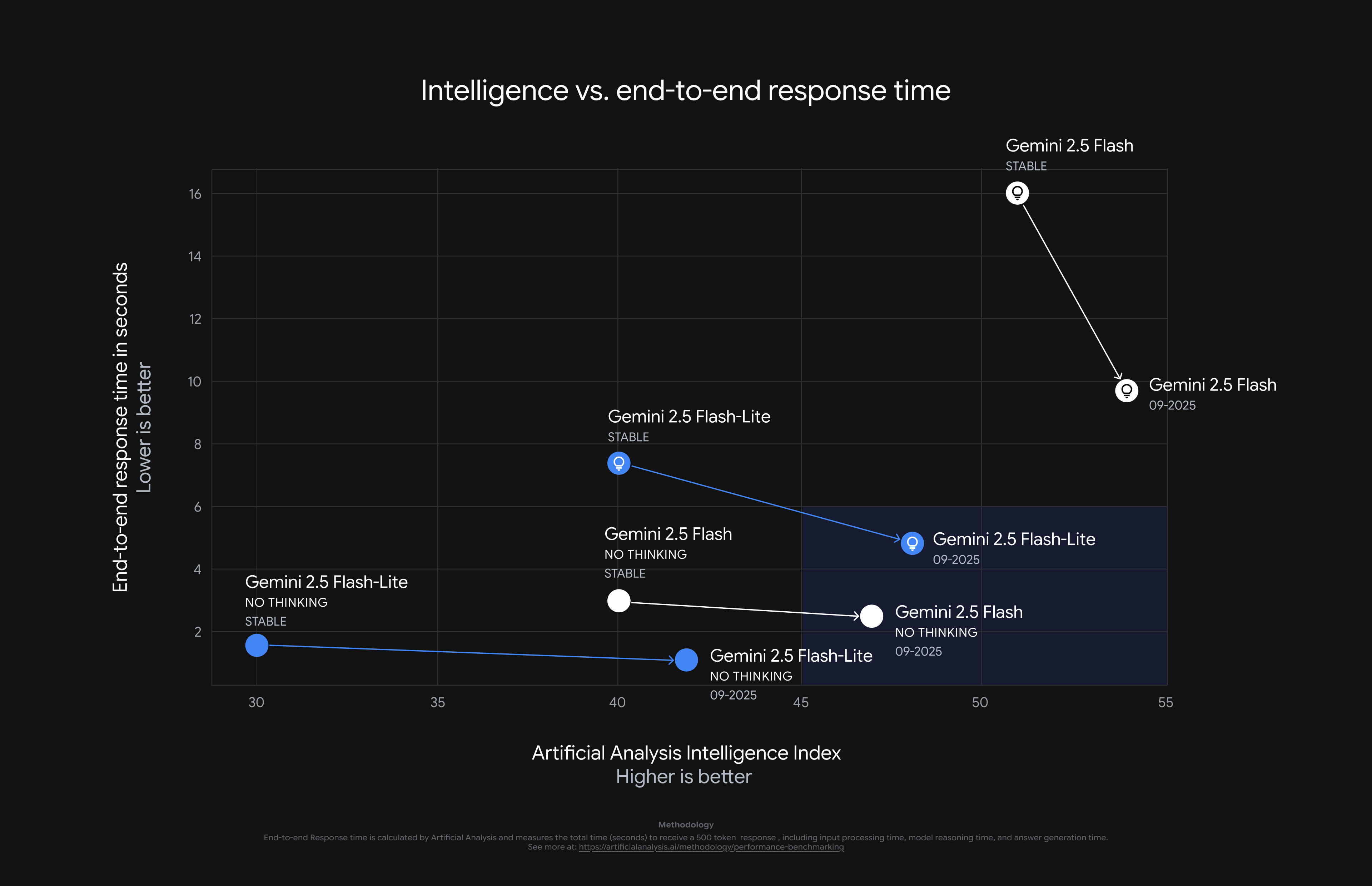
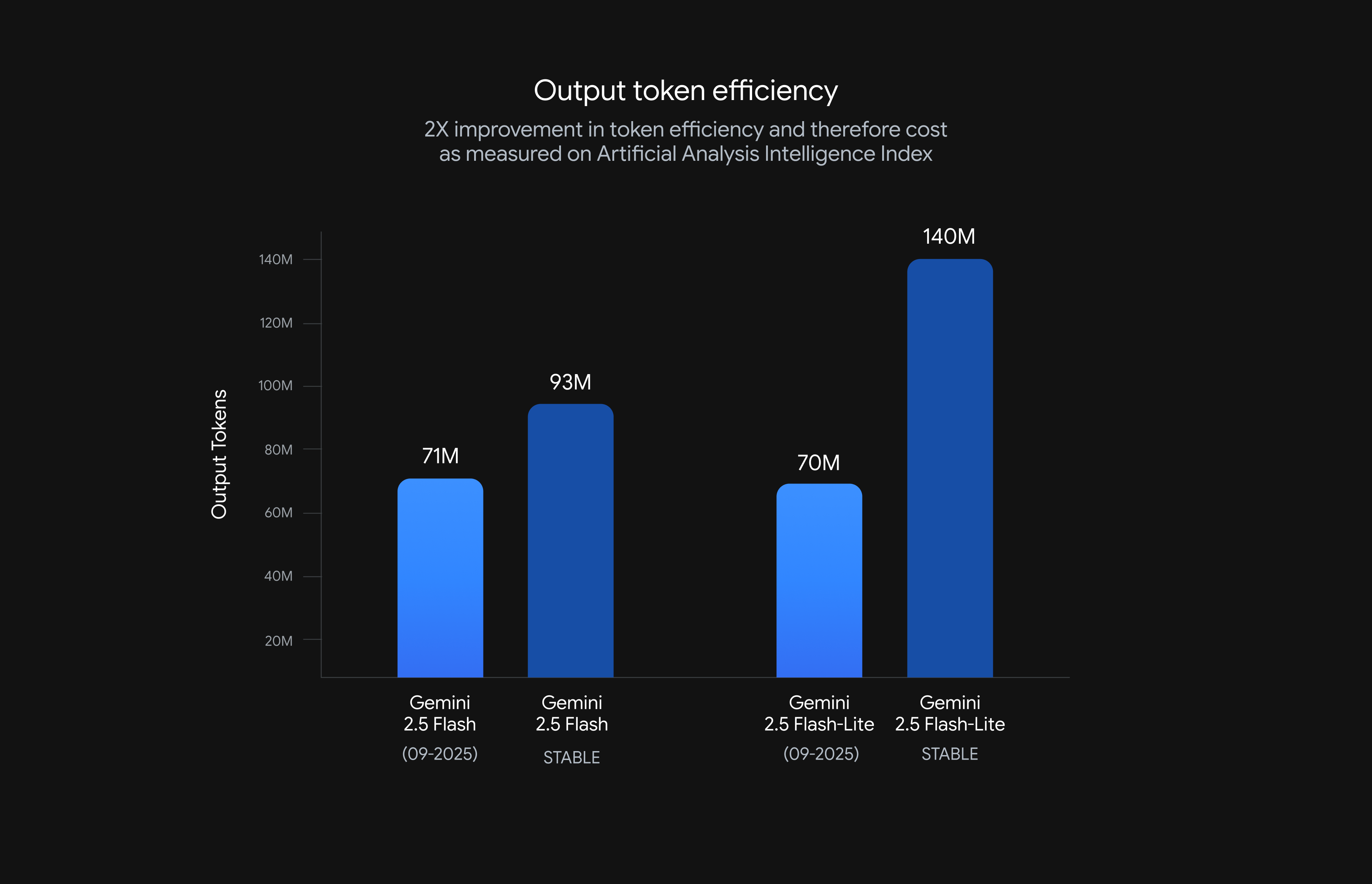
Improved Gemini 2.5 Flash and Flash-Lite
Google announces updated Gemini 2.5 Flash and Flash-Lite models with enhanced quality, efficiency, and multimodal capabilities.
Insights from People’s discussions:
- Frustration with Inconsistent Versioning: Users expressed negative sentiment regarding the lack of standard versioning across AI models, making tracking and comparison difficult.
- Positive/Negative Feedback for Gemini 2.5 Flash: A mixed sentiment viewpoint, highlighting its speed, cost, image recognition, and context handling (Positive) while noting weaknesses in complex reasoning and reliability (Negative).
- Confusion Regarding Naming Conventions and Rumored Releases: Negative sentiment expressed over the unclear naming conventions (e.g., Flash vs Pro) and confusion surrounding unconfirmed rumors about new model releases like Gemini 3 Pro.
- Grok’s Popularity and Performance Issues: A viewpoint discussing Grok’s current popularity and contrasting it with the performance decline noted in Gemini 2.6, reflecting a mix of observation and negative sentiment towards Gemini 2.6’s recent quality.
Demand for human radiologists is at an all-time high
An analysis of how AI is being integrated into radiology, highlighting its current limitations, regulatory hurdles, and the reasons why it hasn’t replaced human radiologists despite its capabilities.


Insights from People’s discussions:
- AI’s Role in Healthcare: AI can augment radiologists and improve workflow efficiency, but it is unlikely to fully replace them due to limitations in handling real-world complexity, non-analytical tasks, and regulatory hurdles. (Sentiment: Cautious Optimism / Concern)
- Skepticism Towards AI Predictions: There is significant skepticism about overly optimistic and short-term predictions regarding AI’s impact on professions like radiology and its rapid progress in areas like fully autonomous driving, often citing challenges like edge cases and liability. (Sentiment: Skeptical / Cautious)
- Implementation Hurdles: Implementing AI in healthcare faces significant hurdles due to liability concerns, established malpractice insurance systems, complex workflows, and profit motives, which slow down innovation and cost-saving potential despite AI’s potential advantages. (Sentiment: Concern / Cautious)
Hacker-News-daily-2025-09-24

Yt-dlp: Upcoming new requirements for YouTube downloads
yt-dlp requires Deno installation for continued functionality due to YouTube’s changes.

Insights from People’s discussions:
- Criticism of YouTube’s Restrictions and Declining Functionality: Users express frustration with YouTube Premium’s download limitations, app instability, and the difficulty of offline viewing. (Sentiment: Negative)
- Creator Monetization Challenges and YouTube’s Dominance: Creators acknowledge YouTube’s advantages for monetization due to its large audience, despite its issues, and find it difficult to replicate this success on smaller alternative platforms. (Sentiment: Mixed - Negative towards YouTube’s problems, Positive towards its dominance for creators)
- Frustration with Centralization, Anti-Scraping Measures, and Platform Power: Users lament the trend of centralization and the increasing difficulty of scraping or interacting with platforms like YouTube, driven by anti-bot measures and Google’s monopoly power, often feeling this leads to a less open internet. (Sentiment: Negative)
That Secret Service SIM farm story is bogus
An analysis exposing how the Secret Service exaggerated a routine criminal SIM farm operation into a national security threat.
Insights from People’s discussions:
- Defense of Anonymous Sourcing: Justification of using anonymous sources as a necessary journalistic practice for uncovering truth and referencing historical precedents like Watergate. (Sentiment: Positive)
- Critique of Media Bias and Framing: Strong criticism of the NYT article’s perceived bias, sensationalism, reliance on anonymous experts, and potential use of anonymous sources to enable propaganda or a “Washington Game.” (Sentiment: Negative)
- Skepticism of Article Claims and Threat Level: Questioning the validity of the NYT’s claims about the government’s use of the SIM farm, the threat level it posed, and the proximity/danger to the UN, while agreeing the operation was mostly criminal. (Sentiment: Negative)
- General Skepticism Towards Mainstream Media: Broader distrust of mainstream media outlets (like NYT) perceived as unobjective, politicized, propagandistic, and contributing to societal division. (Sentiment: Negative)
- Critique of Media/Law Enforcement Narratives: Complaints about biased reporting and collusion between media and law enforcement in presenting one-sided narratives, often excluding alternative perspectives. (Sentiment: Negative)
- Acknowledgment of NYT’s General Reliability: A counterpoint noting that despite criticisms, the NYT is generally more reliable than some alternative sources (like Substack). (Sentiment: Mixed / Qualified Positive)
-
the all-new Qwen3-VL series — the most powerful vision-language model in the Qwen family to date are launched

Insights from People’s discussions:
- Qwen Performance for Specific Tasks: Users report successful and often superior application of Qwen models for challenging tasks like processing low-quality invoice images. (Sentiment: Positive)
- Hardware Cost Limitations: Running large frontier AI models locally remains prohibitively expensive due to specialized hardware and memory requirements. (Sentiment: Negative/Limitational)
- AI Competition and Model Comparison: There is active discussion and comparison of AI models (Qwen, Mistral, Gemini) and the ongoing competitive landscape. (Sentiment: Neutral/Mixed)
- Need for Specific Training Data: Users acknowledge that model performance often depends on specific training data tailored to the task. (Sentiment: Neutral)
My game's server is blocked in Spain whenever there's a football match on
A game server is blocked in Spain during football matches due to a legal ruling allowing the league to request ISPs block specific IP ranges.
Insights from People’s discussions:
- High Costs for Businesses: The financial burden placed on bars, pubs, and other businesses to legally show live sports broadcasts is prohibitively expensive compared to household packages. (Sentiment: Negative)
- Invasive Surveillance and Enforcement: Leagues and rights holders use aggressive and potentially privacy-violating methods (like app permissions and audio watermarking) to combat piracy, acting as self-appointed enforcers. (Sentiment: Negative)
- Impact on Viewership and Sports Culture: Restrictive copyright laws, high costs, and reliance on piracy negatively impact the ability of people to watch sports, potentially harming the sport’s appeal and youth engagement. (Sentiment: Negative)
- Broader Copyright and Internet Freedom Concerns: The system raises concerns about the power of private corporations, the role of government (e.g., levies on blank media, potential subsidies), and the impact of foreign influence (e.g., Qatar). (Sentiment: Negative)
YouTube says it'll bring back creators banned for Covid and election content
YouTube outlines its policy changes regarding COVID-19 and elections content moderation, responding to legal pressure and committee subpoenas.
Insights from People’s discussions:
- Government Pressure & Platform Censorship: Comments express skepticism about the government pressuring platforms to censor specific content, arguing platforms would not have done so otherwise, raising First Amendment concerns. (Sentiment: Negative)
- Content Moderation Balance & Free Speech: A significant viewpoint questions the justification for broad content moderation, arguing platforms should only remove illegal content, and that current practices suppress speech arbitrarily, harm free discussion, and function as near-monopolies. (Sentiment: Negative/Skeptical)
- Effectiveness of Bans & Enforcement: Comments debate the severity (e.g., lifetime bans) and effectiveness of bans, questioning their impact and citing examples like Fortnite’s cheaters returning, while arguing against permanent bans due to negative impact and questioning the effectiveness of stricter enforcement. (Sentiment: Mixed/Negative)
- Algorithmic Influence & Radicalization: A viewpoint focuses on the concern that recommendation algorithms actively push users into echo chambers and radicalize them, rather than merely making misinformation available. (Sentiment: Negative)
Hacker-News-daily-2025-09-23
Spectral Labs releases SGS-1: the first generative model for structured CAD
Introducing SGS-1, a foundation model for generating parametric 3D CAD geometry from images or text.
Insights from People’s discussions:
- Criticism of Current Output Quality: Users report significant inaccuracies and unmanufacturable results from SGS-1’s STEP file output, making it unusable without extensive manual correction.
- Defense of Parametric Generation Claims: The company defends its approach by explaining its internal parametric representation and promises future features like feature trees, positioning the tool as an advancement despite acknowledged limitations.
- Skepticism About AI Solving Core Design Problems: Users express doubt that current AI tools can genuinely solve fundamental design challenges, citing poor handling of constraints, difficulty translating complex requirements, and concerns about exaggerated claims primarily benefiting investors.
-
zoxide, a smarter command-line utility for directory navigation that enhances all major shells with features like fuzzy searching and intelligent ranking.

Insights from People’s discussions:
- Strong Appreciation for Functionality and Performance: Users praise
zoxide‘s fuzzy directory searching, speed, frequency-based prioritization, and overall utility for saving time, describing its impact on daily workflows as positive. (Sentiment: Positive) - Concerns about Documentation and Workflow Changes: Some users express dissatisfaction or note the need for better documentation and acknowledge the workflow adjustments required to adopt
zoxide. (Sentiment: Negative/Mixed) - Comparisons with Alternatives and Adoption Reasons: Users frequently compare
zoxidewith tools likeautojump,z, andNavita, often highlighting its faster execution, Rust implementation, ease of migration (including data import), and positive creator recommendation as key reasons for switching. (Sentiment: Positive (in comparison context))
- Strong Appreciation for Functionality and Performance: Users praise
The health benefits of sunlight may outweigh the risk of skin cancer
An article discussing the potential health benefits of sunlight, including improved heart and immune function, while acknowledging the risk of skin cancer.
Insights from People’s discussions:
- Promoting Moderate Sun Exposure: Argues for the health benefits of sunlight (vitamin D, eye health, nitric oxide, evolutionary adaptation) and suggests controlled, gradual exposure is safe and beneficial, sometimes questioning the emphasis on sunscreen. (Sentiment: Positive/Supportive towards moderate sun exposure)
- Highlighting Risks and Caution: Focuses on the dangers of excessive sun exposure (skin cancer, cataracts, premature aging, retinal damage) and emphasizes the importance of protection (sunscreen, shade), often citing studies or personal experiences with negative outcomes. (Sentiment: Negative/Concerned about excessive exposure)
- Evolutionary Perspective: Frames skin response and cancer risk variations (e.g., fair vs. dark skin) in terms of evolutionary adaptation, suggesting traits evolved for survival in specific environments, but cautions against assuming these are necessarily beneficial for modern humans. (Sentiment: Neutral/Analytical)
- Indoor Alternatives: Proposes using artificial light sources (tanning beds, specific LEDs) to replicate some benefits of sunlight (vitamin D, nitric oxide) indoors, often as a safer alternative for those who cannot or should not get direct sun exposure. (Sentiment: Neutral/Problem-Solving)
- Balanced Approach: Acknowledges both benefits and risks but advocates for a middle ground, such as gradual exposure, limiting time during peak hours, using sunscreen selectively, and emphasizing early detection for skin issues. (Sentiment: Neutral/Balanced)
-
An account of designing NotebookLM that’s a new AI product’s user experience, interface, and brand identity from inception to launch.
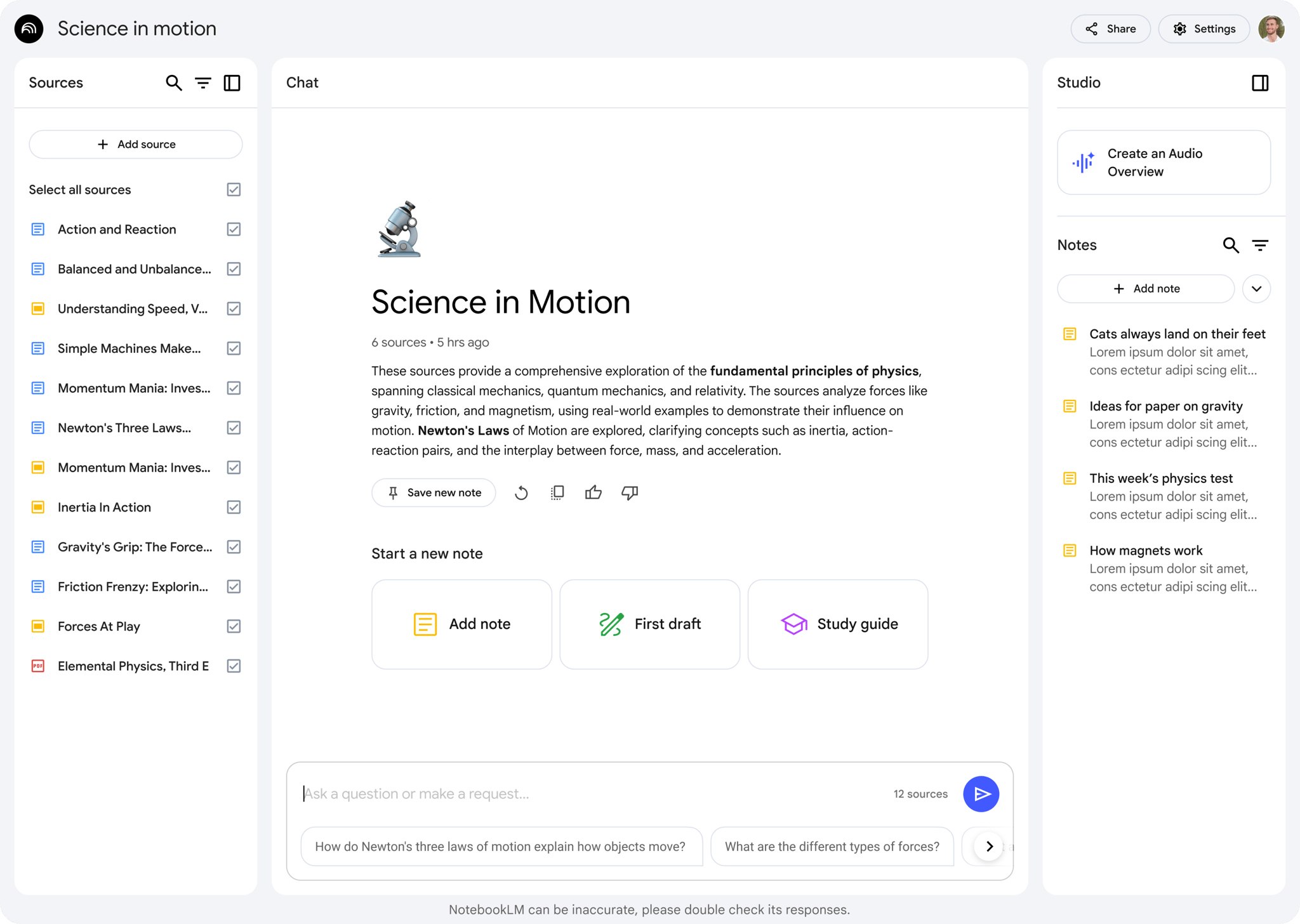
- Appreciation for Functionality & Unique Features: Users value NotebookLM’s document research, summarization, synthesis capabilities, audio overviews, podcast integration, and mind maps, finding them useful for learning and specific tasks. (Sentiment: Positive)
- Criticism of User Experience & Design: Users find the interface overly complex, information-dense, difficult to navigate, and lacking basic editing features, questioning its engineering quality. (Sentiment: Negative)
- Comparative Limitations: Users note NotebookLM’s limitations compared to other AI tools available. (Sentiment: Negative)
- Questions about Credit & Data Privacy: Users question whether underlying research teams receive proper credit and express concerns about data privacy. (Sentiment: Negative)
Privacy and Security Risks in the eSIM Ecosystem [pdf]
This paper presents an analysis of privacy and security risks in the eSIM ecosystem, including data routing through third-party networks, reseller access to user data, proactive communication, and profile management vulnerabilities.

Insights from People’s discussions:
- eSIM Convenience vs. Privacy/Control Concerns: The viewpoint highlights the benefits of eSIMs (convenience, competition) but strongly emphasizes worries about data tracking by carriers and governments, potential control by third-party eSIM services, and the risk of vendor lock-in compared to physical SIMs. (Sentiment: Mixed/Negative leaning)
- Frustration with Hacker News Moderation/Usability: This viewpoint focuses on user experiences with Hacker News, specifically complaints about comments appearing dead or unverified, platform usability issues, and a perceived decline in the site’s utility or community standards. (Sentiment: Negative)
- Mobile Security, Routing, and Network Performance: This viewpoint discusses practical experiences and technical details regarding mobile roaming (e.g., unexpected routing via Hong Kong), carrier restrictions (like Chinese carriers blocking foreign eSIM activation), the quality and security of eSIM providers, and the effectiveness of various solutions (VPNs, DoH, Tor) for addressing network performance (latency) and privacy, acknowledging both theoretical limitations and practical challenges. (Sentiment: Mixed)
Hacker News daily 2025-09/22
Scammed out of $130K via fake Google call, spoofed Google email and auth sync

The author detailed account of a $130,000 cryptocurrency theft facilitated by a sophisticated Google impersonation scam and critical vulnerabilities in Google’s authentication systems.
Insights from People’s discussions:
Irreversible Crypto Theft Risk: The fundamental unreliability and high risk of permanent loss associated with crypto assets compared to traditional banking.
2FA Vulnerabilities and Password Reuse: The significant security risks posed by password reuse, syncing 2FA codes to cloud services (especially Google), and the potential for compromised accounts (like email) to lead to broader account takeovers, citing the Coinbase incident.
Avoid unknown calls for scams: Unsolicited calls promising unusual benefits are often scams, and to verify legitimacy, one should insist on a verifiable contact method (like a specific phone number or email address) rather than relying solely on caller ID which can be spoofed.
2FA security practices: Google Authenticator’s default cloud sync feature poses a security risk if compromised, users should disable it and use backup codes, opt for third-party authenticators like Authy or Bitwarden with encryption, avoid tying 2FA and password management together, and maintain offline backups for enhanced security.
A few reminders bear repeating:
- no support group from a big company is going to call you. Ever.
- never give out codes sent to use via sms or push notifications to someone requesting them via phone or email. Never. The messages often even say that!
- Don’t put all your private info behind one password, so don’t use Google Authenticator backed by your Google Account as your password manager. Always use a third party like 1Password or similar.
- Don’t have the same email you use banking and investments be the email that the world knows. Create a new email for that. If you use Chrome, even use a separate profile with that email, and only have your password manager as an extension. No others.
AI was supposed to help juniors shine. Why does it mostly make seniors stronger?
An analysis of how AI primarily benefits experienced developers over junior ones in software engineering.
Insights from People’s discussions:
AI as a Tool with Productivity Potential but Limitations: AI can enhance productivity for both junior and senior developers, particularly for specific tasks like code generation and debugging, but its effectiveness depends heavily on proper usage, verification, and guidance.
AI as a Potential Hindrance to Learning and Skill Development: AI tools can impede genuine learning and mastery by providing readily available, potentially incorrect output without proper feedback, preventing users from recognizing knowledge gaps and developing deep expertise.
AI’s Reliability and Verification Challenges: AI outputs are often unreliable, prone to inaccuracies and hallucinations, requiring careful human oversight, verification, and critical thinking to be useful and avoid introducing errors.
-

Meta introduces a new category of AI glasses, the Ray-Ban Display, positioned as a hardware innovation in wearable technology.
Insights from People’s discussions:
- Meta’s Brand Reputation and Trust Issues: Significant distrust towards Meta due to its history, data handling practices, and perceived lack of user-centricity. Users refuse to engage despite potential tech merits.
- Product Design, Usability, and Practicality: Criticism focuses on unattractive design, poor battery life, software glitches, limited field of view, and the impracticality of replacing smartphones. Concerns about social awkwardness and distraction also arise.
Learn Your Way: Reimagining Textbooks with Generative AI
This article discusses Google Research’s “Learn Your Way” project, which uses generative AI to transform traditional textbooks into personalized, multimodal learning experiences, showing improved learning outcomes in a study.
Insights from People’s discussions:
- AI Tools for Academic Assistance: Exploration of tools like asXiv, Ruminate, Gemini for academic tasks.
- AI Hype and Limitations: Critical examination of the overhype around AI in education, highlighting fundamental flaws like unreliability (e.g., generating incorrect answers) and the inability of AI to address core educational challenges.
How to motivate yourself to do a thing you don't want to do

This article discusses strategies for overcoming procrastination and maintaining motivation to complete tasks that are disliked or uninteresting.
Insights from People’s discussions:
- Using Entertainment as a Dopamine Fix: Employing music or shows to distract from unpleasant tasks is seen by some as helpful, but by others as problematic (“dopamine stacking”) that can reduce long-term motivation or foster dependency.
- Discipline, Habits, and Drive for Productivity/Exercise: Effectively tackling disliked or difficult tasks requires discipline, consistent effort, and forming habits, rather than relying on fluctuating motivation. Strategies include tackling problems early, breaking tasks down, focusing on rewards or drive, and addressing inertia through small actions.
- Understanding Internal Resistance for Self-Motivation: Difficulty motivating oneself often arises from confusing internal desires with needing to convince a future self, or from focusing only on the unpleasant aspects of a task.
I analyzed the Hacker News hive mind. Here are 5 fascinating things I learned this week.
Hey folks!
Hosting a website on a disposable vape
low cost of repurposing older, cheap Chinese LTE dongles/boards (like the MSM8916 Snapdragon 410) which cost under $10 can repurposed into either a portabel linux mechine or a functional web-server.
cheap and powerful devices one can also look at Chinese UZ801 4G LTE (Qualcomm MSM8916) dongles. They cost like only $4-5 and pack quite impressive HW: 4GB eMMC, 512MB RAM, actual 4G modem sometimes with 2 sim switching support. Since it’s actually old Android SOC there is even GPU and GPS in there.if you looking for hardware platform for weird homelab projects that’s can be it.(original discussions)
Self-hosting a website at home is technically feasible and can be made reasonably secure using techniques like VLANs and firewalls.(original discussions)
Recent npm supply chain attacks
- Security Risks of Post-Install Scripts: The ability for malicious packages to execute arbitrary code during npm install is identified as a major security flaw.
- Need for Enhanced Verification Mechanisms: There is a strong advocacy for mandatory cryptographic signatures, provenance tracking (like Sigstore), and robust 2FA (WebAuthn, physical keys) to secure package publishing and prevent unauthorized changes.
- Dependency Complexity and Ecosystem Vulnerabilities: The massive number of packages, lack of scrutiny, broad usage, and complex dependency trees are cited as key factors making npm vulnerable to widespread supply chain attacks.
- Mitigation Strategies (Including Alternatives): Comments discuss various potential solutions, including using tools like
pnpm, sandboxing (bubblewrap, Docker), stricter dependency management, or even considering alternatives like HTMX to reduce JavaScript reliance.
Show HN: A store that generates products from anything you type in search
There is an “anycrap shop” website generating absurd, useless, and often unintentionally humorous products using AI.


This might be a good product idea, and it could generate income if done correctly


50 things you can do with a Software Defined Radio
Personal Tech Exploration & Unique Applications: Sharing stories of early tech exposure and using devices like SDRs for monitoring and decoding various signals (weather satellites, pagers, radio) including receiving various digital and analog signals, decoding GPS, intercepting broadcasts, performing security research, interacting with aviation systems, capturing infrared signals, and implementing passive radar.
Satellite Images Access: you can get images from the satellites that all this information is stored in electromagnetic waves.(original discussions)
-
This is Nano-banana curated image gallery, they has collected stunning images and prompts generated by Nano-banana in various task scenarios.
- Technical Capabilities & Limitations: Comments describe the tool’s ability to alter details (positive aspect) but express significant frustration with rendering inaccuracies (e.g., objects, buildings, text), inconsistencies, and specific limitations like transparency issues.
- Ethical Concerns & Societal Impact: Users raise serious concerns about potential dangers, misuse, creation of disinformation, and inappropriate content. There are also philosophical debates about AI’s impact on creativity, appropriation, and trust online.
- Reliability & Practical Use: Many commenters report significant, frequent, and inconsistent failures with the tool, citing issues like aspect ratio mismatches, poor quality, bias, and refusal to modify images. They generally conclude the tool is unreliable for production use, despite some niche potential.
- Critique of AI Demonstrations: A recurring theme is the criticism of AI image generation demos, viewing them as often showcasing cherry-picked successes, containing numerous errors, and relying on subjective evaluation.
I curated these content and insight with my own tool wthin like just about 10 mins baesed on my own interests and You can find many more valuable articles on HN and instantly filter them for insights with my tool: https://hpyhn.xyz
Thanks for reading! What do you think of these learnings?
Hello World
Welcome to Hexo! This is your very first post. Check documentation for more info. If you get any problems when using Hexo, you can find the answer in troubleshooting or you can ask me on GitHub.
Quick Start
Create a new post
1 | $ hexo new "My New Post" |
More info: Writing
Run server
1 | $ hexo server |
More info: Server
Generate static files
1 | $ hexo generate |
More info: Generating
Deploy to remote sites
1 | $ hexo deploy |
More info: Deployment